
 Mounting orchids on cork or wood mimics their natural habitat and creates a striking display, but it requires a different approach to watering and humidity.


Understanding Light for Orchids: Reading Leaves Like a Grower
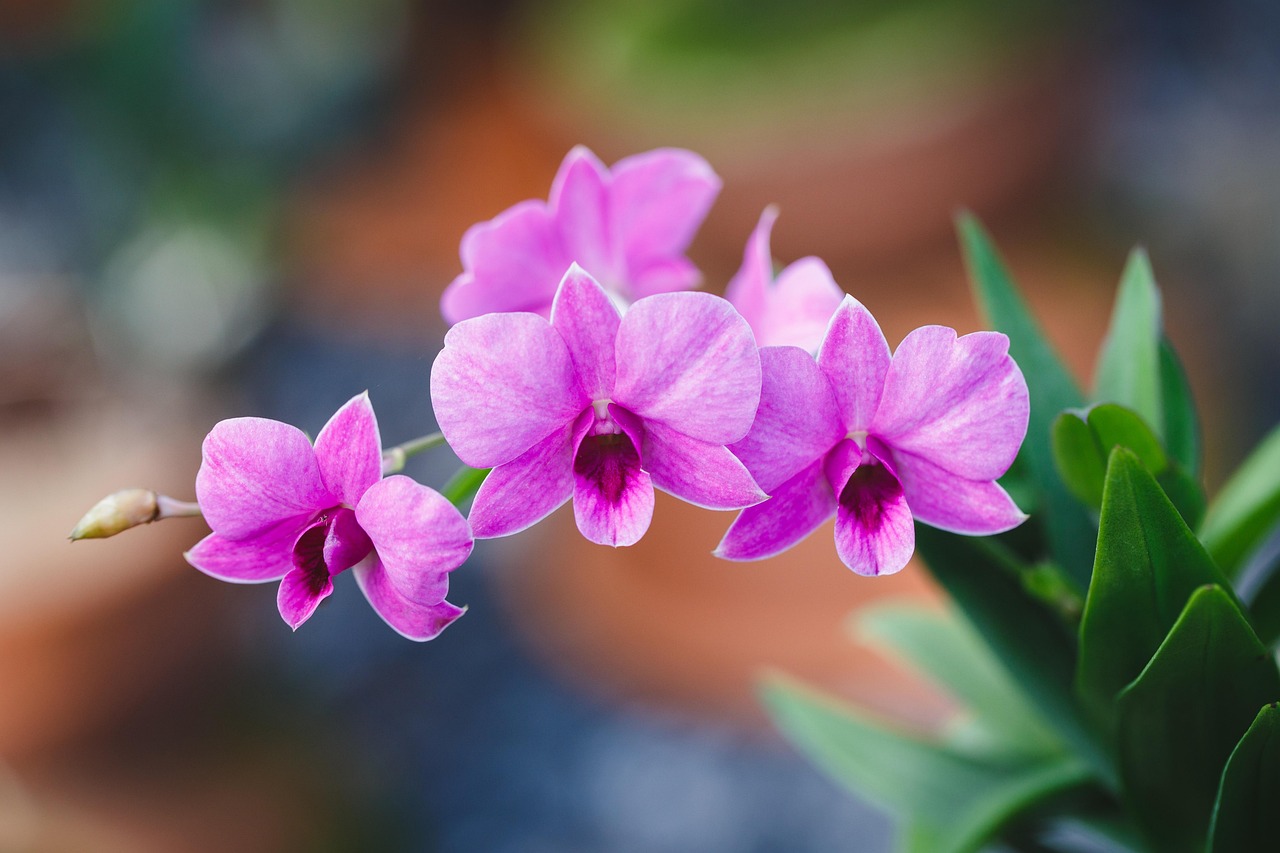
Ask ten orchid growers what the most important factor in orchid care is and you will probably get ten different answers. But if you ask them what the most common mistake beginners make, the answer is almost always the same: light. Too little light and an orchid will sulk, refusing to bloom and growing slowly. Too much light and the leaves will scorch, turning yellow and crispy in a matter of days. The good news is that orchids are surprisingly communicative about their light needs. You just have to know what to look for.
The color and texture of an orchid's leaves are the clearest indicators of whether it is getting the right amount of light. A healthy orchid leaf is typically a medium to deep green, firm but not stiff, and slightly glossy. When light is too low, leaves become a dark, almost blackish green and may feel soft or floppy. The plant is essentially making as much chlorophyll as possible to capture what little light it receives. When light is too high, leaves turn pale green, then yellow, and may develop brown or black scorch marks on the upper surface. The plant is being overwhelmed, and its tissues are literally burning.
Matching Light to Orchid Type
Different orchids evolved in different light conditions, and ignoring those preferences is a recipe for frustration. Phalaenopsis, the most common orchid in homes, prefers low to medium indirect light. A north-facing window or an east-facing window with a sheer curtain is often perfect. Direct midday sun will scorch the leaves quickly. Cattleya and Dendrobium want brighter light, closer to what you would give a succulent, and can handle a few hours of gentle morning sun. Vanda and many Oncidium types are even more light-hungry and often thrive in a south or west window with filtered afternoon sun.
If you are unsure what your window provides, a simple light meter app on your phone can give you a rough idea. More practically, you can observe how shadows fall. Bright indirect light casts a soft, blurry shadow. Direct sun casts a sharp, defined shadow. Low light casts almost no shadow at all. Orchids that need bright light should sit where the shadow is soft but present for most of the day. Orchids that prefer lower light should sit where shadows are faint or absent.
Adjusting Light Through the Seasons
Light changes dramatically from season to season, and your orchid care should change with it. In summer, the sun is higher and stronger, and a window that was perfect in March may become a scorching trap in July. Sheer curtains, blinds, or moving the plant a foot or two back from the glass can make a big difference. In winter, the opposite problem occurs. Days are shorter and the sun is weaker, and orchids that were happy all summer may suddenly be getting half the light they need. Supplementing with a simple LED grow light for a few hours a day can keep them growing through the dark months.
Rotating your orchids a quarter turn every week or two also helps them grow evenly and prevents one side from leaning toward the window. It is a small habit, but it makes a visible difference over time. And if you are ever unsure whether a spot is too bright, remember that it is easier to fix too little light than too much. A plant that is slowly sulking in low light can be moved into brighter conditions and will usually recover. A plant with scorched leaves will carry those scars for years.
Learning to read your orchid's leaves is one of the most useful skills you can develop as a grower. It turns guesswork into observation, and observation into better care. Once you can look at a leaf and know what it is telling you, everything else about orchid growing becomes easier.