
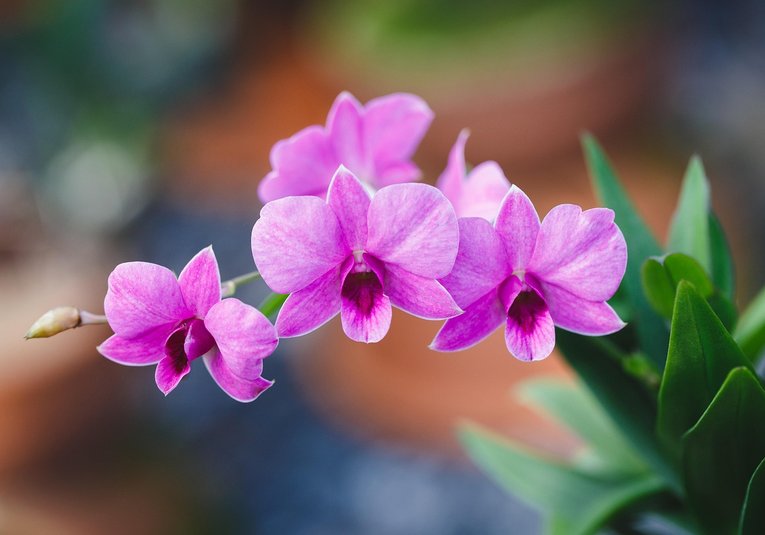
 Miniature orchids pack all the charm of their larger relatives into a fraction of the space, making them perfect for collectors with limited room.

The Phalaenopsis Reset: How to Revive a Grocery Store Orchid
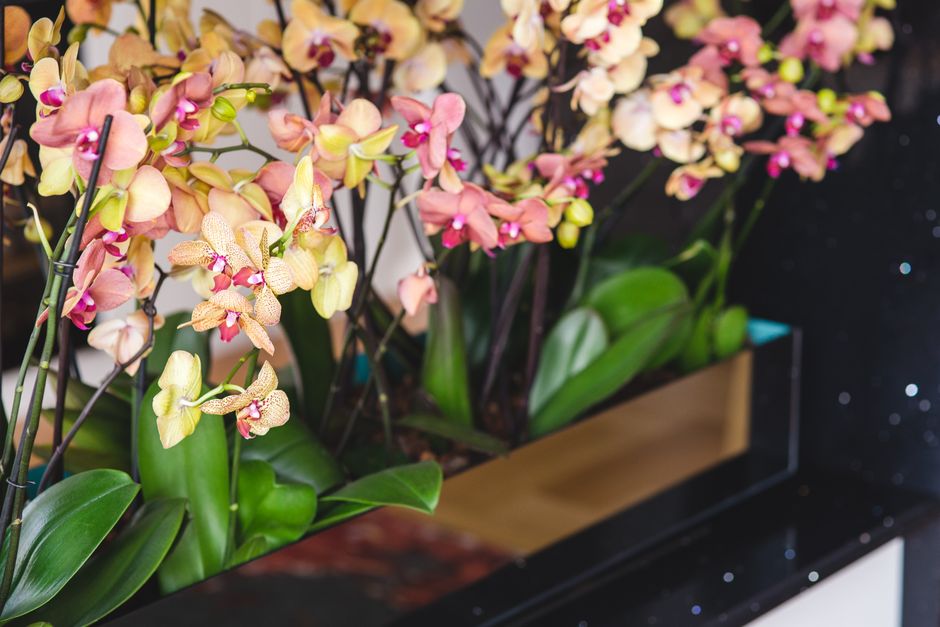
Most orchid lovers start the same way: with a Phalaenopsis bought on impulse, its roots packed tight in sphagnum moss and its pot wrapped in decorative foil. It blooms beautifully for a few weeks, then the flowers drop, and the plant sits there looking like a bundle of leathery leaves. Many people assume it is dead. It almost never is. The grocery store orchid is one of the toughest plants in the hobby, and reviving one is the best crash course in orchid care you will ever get.
The first thing to understand is what the plant has been through. Commercial growers raise Phalaenopsis in warm, humid greenhouses and push them into bloom on a strict schedule. By the time you bring one home, it has likely spent weeks in transit and on a store shelf under fluorescent light, often overwatered by well-meaning staff. The moss in the pot holds moisture far longer than the roots can use, which is why root rot is the number one killer of these plants.
Step One: Unpot and Inspect the Roots
Wait until the flowers fade naturally, then gently slide the plant out of its pot. Peel away the moss with your fingers — do not tug hard, because healthy roots cling to it. What you are looking for is color and firmness. Healthy Phalaenopsis roots are plump, silvery-green when dry, and turn green after watering. Roots that are brown, mushy, or hollow with a thin thread inside are dead and should be cut back with sterilized scissors. Do not be alarmed if you lose half the root mass. A plant with five or six good roots can recover fully.
Repot into a clear plastic pot with fresh orchid bark, sized so the roots fit snugly but are not crammed. Clear pots let you see root color and moisture at a glance, which is invaluable while you learn. Water by soaking the pot in lukewarm water for ten minutes, then let it drain completely. Never let the plant sit in standing water.
Step Two: Light, Temperature, and the Patience Game
Place your orchid in bright, indirect light — an east-facing windowsill is ideal. Direct afternoon sun will scorch the leaves, leaving white or black patches that never heal. Daytime temperatures in the low seventies and nights about ten degrees cooler suit Phalaenopsis perfectly. This temperature drop is also what triggers new flower spikes, so if your plant has not bloomed in a year, a few weeks near a cooler window in autumn often does the trick.
Feed lightly. A diluted balanced fertilizer every second or third watering during active growth is plenty; orchids are not heavy feeders, and excess salts burn the roots. Watch for new root tips emerging as silvery nubs with green points — that is your signal the plant has accepted its new home. From there, a new leaf every few months and eventually a flower spike are realistic within a year. The reward of bringing one back is not just a plant; it is the confidence to try something rarer next time.