
 That discounted, half-dead moth orchid on the clearance shelf is not a lost cause — with a little patience and the right steps, it can bloom again for years.


Five Rare Orchids Worth Searching For (and How to Keep Them Alive)
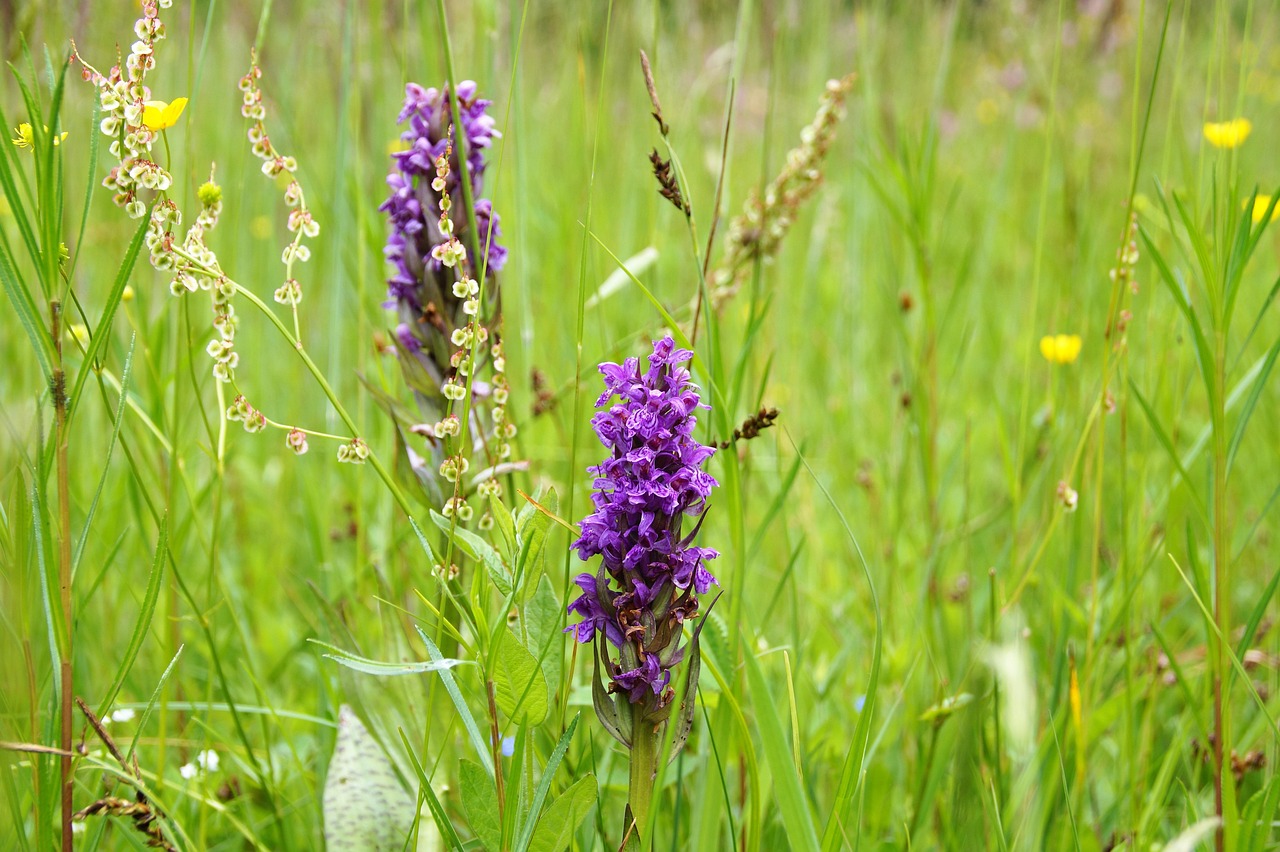
Every orchid collector eventually hits the same wall: the common hybrids stop being exciting. That is when the wish list starts filling up with species you have only seen in photographs — orchids with bizarre shapes, dramatic fragrances, or flowers that appear only once a year. Rare orchids are not necessarily harder than common ones, but each comes with specific conditions it will not compromise on. Here are five worth the effort, along with what they actually need.
The Jewel in the Crown: Paphiopedilum rothschildianum
Often called the king of slipper orchids, this Bornean species produces a flower spike that can carry four to six blooms at once, each with long, twisting petals striped in maroon and yellow. It is slow — seedlings can take a decade to bloom — which is exactly why mature plants command serious prices. Give it intermediate temperatures, bright filtered light, and a chunky mix of bark, perlite, and charcoal. Water thoroughly but let the roots breathe between waterings. Rothschildianum resents wet feet more than almost anything, so if you tend to overwater, this is not the plant for you.
Its cousin Paphiopedilum delenatii is a gentler introduction to rare slippers. The flowers are soft pink with a waxy, almost porcelain texture, and it grows happily on a windowsill with nighttime temperatures in the sixties. If you can bloom a supermarket Phalaenopsis, you can bloom delenatii.
Miniatures, Mounts, and the Fragrant Oddballs
For growers with limited space, miniature species offer rare beauty in a tiny footprint. Sophronitis coccinea is a Brazilian jewel with scarlet flowers nearly as large as the plant itself, but it insists on cool temperatures and high humidity — a challenge in heated homes. Mount it on cork and keep it in an orchid terrarium or a cool basement shelf with a humidifier.
Then there is Bulbophyllum medusae, whose flower clusters look like a mane of pale, writhing threads. It is one of the easiest rare orchids to grow, thriving in warm, humid conditions with moderate light, and it flowers reliably once mature. Be warned: many Bulbophyllum species are pollinated by flies, and their fragrance reflects that. Medusae is one of the milder ones, but it is not a plant for the dining table.
Finally, consider Dendrobium cuthbertsonii, a New Guinea miniature with flowers that last six months or more in shades of red, orange, and pink. It needs cool conditions and constant moisture at the roots without ever being soggy — the classic mounted-on-tree-fern setup. Rare orchids reward careful observation more than expensive equipment. Learn what each species sees in its native habitat, and you are most of the way to keeping it alive.